Last updated: November 5, 2026
Key Takeaways
- Za’atar is the Arabic name for a wild herb, Origanum syriacum, and for the seasoning blend built on it or on similar herbs such as thyme.
- A classic za’atar blend is dried herb, sumac, sesame seeds and salt; many recipes add cumin, coriander or fennel.
- Za’atar tastes herbal, tangy and savoury, and classic blends usually contain no chili heat.
- It is used in olive oil as a bread dip, spread on flatbread before baking, and scattered over labneh, eggs and roasted vegetables.
- Edi’s Turkish-style za’atar is thyme-led, with sesame second and sumac third, plus oregano, mint, salt, cumin, coriander, black pepper and fennel.
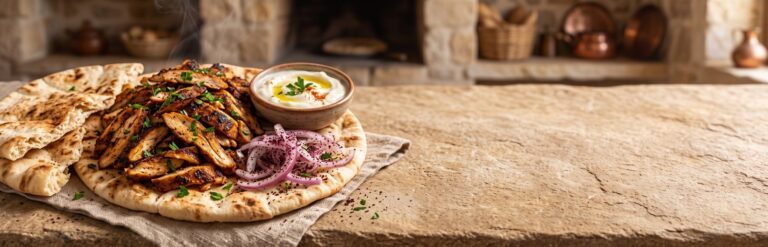
Someone tears off a piece of warm bread, drags it through a dish of olive oil and comes up with a green, speckled coat that smells like a hillside in July. That is za’atar doing its job.
The name is where the confusion starts. Za’atar is a plant, a family of blends and, in a lot of kitchens, simply the green stuff that goes on bread.
All three answers are right. Here is how they fit together, what is actually in the blend, and what to do with it on a Tuesday night.
Is Za’atar a Herb or a Spice Blend?
Ask two cooks what za’atar is and you can get two different answers. Neither of them is wrong.
The word first names a plant. Origanum syriacum is a wild member of the oregano genus whose native range runs from Türkiye through Lebanon and Syria to Sinai and Saudi Arabia, according to Kew’s Plants of the World Online. Its leaves are dried and rubbed for the blend.
The blend then borrowed the plant’s name. It works the way “tea” does: one word for a plant and for the drink, even when the cup in front of you is chamomile.
Outside its home range the wild herb is hard to come by, so many za’atar blends sold today build on thyme, oregano or a mix of the two. That is why there is no tidy English translation. “Thyme” and “oregano” are the closest words, and neither is exact.
What Is in Za’atar?
Tip a spoonful onto a white plate and you can read the recipe with your eyes. Green herb, flecks of deep red sumac, pale sesame seeds, a few glints of salt.
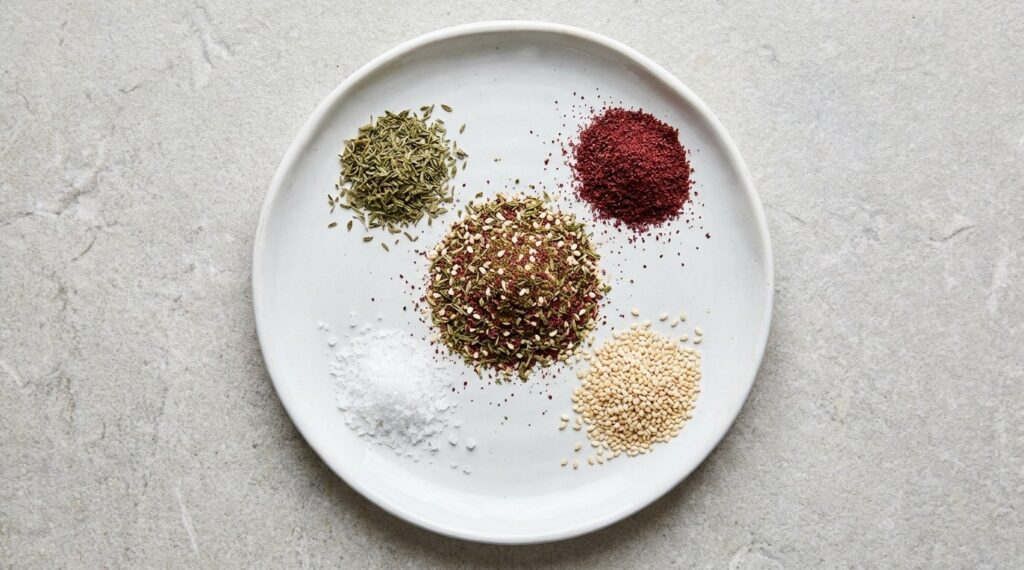
That is the classic core: dried herb, sumac, sesame and salt. The herb brings the base note, sumac brings a lemony tang, sesame adds richness and crunch, and salt pulls them together.
From there, every family and every region adjusts. Some recipes lean harder on sumac, some toast the sesame, and many add cumin, coriander or fennel. Za’atar works the way chili does in a North American kitchen: everyone agrees on the idea, and nobody agrees on the recipe.
What is in Edi’s za’atar
Our za’atar is reformulated to a thyme-led herb blend.
Thyme leads, sesame seeds come second and sumac third. Then oregano, mint, salt, cumin, coriander, black pepper and fennel round it out, in that order by weight.

Ingredients: thyme, sesame seeds, sumac, oregano, mint, salt, cumin, coriander, black pepper, fennel. Contains: sesame. That extra layer of mint and warm spices sets our Turkish-style za’atar apart from a four-ingredient Levantine blend.
What Does Za’atar Taste Like?
If you have never tried it, picture thyme, lemon zest and a pinch of salt on buttered toast. That is the shape of it.
The herb comes first, green and slightly resinous. Then the sumac lands, bright and sour without any of the sharpness of vinegar. The sesame softens everything, and the salt makes it taste finished rather than raw.
There is no burn. Classic za’atar usually contains no chili at all, so it seasons a dish the way lemon and herbs do, not the way hot sauce does.
Edi’s blend adds a second layer underneath. Mint lifts the herbs, and cumin, coriander, black pepper and fennel bring a quiet warmth, a little like the difference between plain roast chicken and roast chicken with garlic in the cavity.
How to Use Za’atar
The easiest za’atar recipe has two ingredients and takes ten seconds. Stir 1 tablespoon of za’atar into 3 tablespoons of good olive oil, then tear bread into it.
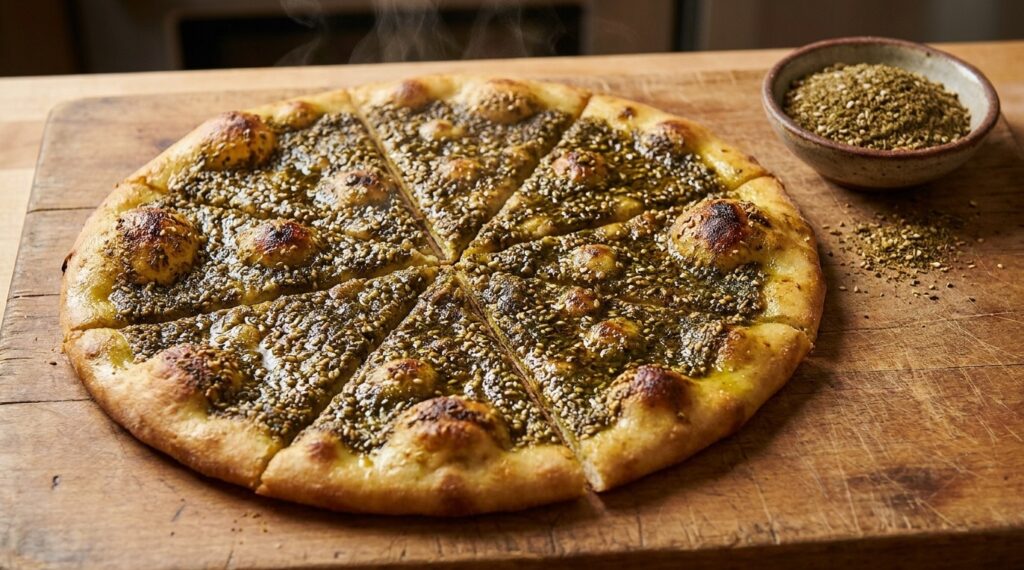
After that, think of za’atar as something that loves fat and heat, and finishes things.
- Flatbread and manakish: mix za’atar and olive oil into a loose paste, spread it over the dough and bake until the edges brown.
- Labneh, hummus and yogurt: scatter it over the top with a thread of olive oil, right before serving.
- Eggs: sprinkle it over fried or scrambled eggs, or fold it into an omelette.
- Roasted vegetables and potatoes: toss with oil and za’atar before they go in the oven.
- Chicken: rub it under and over the skin with olive oil and lemon, then roast.

The one habit worth keeping: put za’atar where you can see it. On top of a dish, it behaves like flaky salt does on a cookie, small, visible and doing most of the talking.
Za’atar, Thyme, Oregano and Sumac: What Is the Difference?
Thyme on its own is not za’atar, any more than tomatoes are ketchup. The ingredient is in there. The finished thing is something else.

Thyme and oregano give za’atar its herb base, but alone they taste flat and woody, all green and no lift. Sumac on its own is the opposite: all tang, with nothing underneath it. Za’atar is what happens when the two meet, with sesame and salt to hold them together.
So if you are out of za’atar, dried thyme with a little ground sumac, sesame seeds and a pinch of salt gets you most of the way. If you already keep oregano, our guide to using dried oregano covers where it shines without the rest of the blend.
Frequently Asked Questions
What is za’atar in English?
There is no single English word for it. The wild herb is Origanum syriacum, a relative of oregano, and the blend is usually just called za’atar.
Is za’atar thyme or oregano?
Neither, exactly. The wild herb belongs to the oregano genus, and many blends sold today use thyme, oregano or both in its place.
Is za’atar spicy?
No. Classic za’atar usually contains no chili, and Edi’s blend carries only a little black pepper for gentle warmth.
Where is za’atar from?
The eastern Mediterranean, where the wild herb grows and the blend has been a kitchen staple for generations.
Does za’atar have salt in it?
Most za’atar blends include salt, and Edi’s does, so taste before you add more.
Does za’atar contain nuts?
Classic recipes do not, and Edi’s ingredient list contains no nuts. It does contain sesame.
Is za’atar vegan?
Yes. The classic ingredients are all plant-based, and Edi’s za’atar is vegan.
Does za’atar go bad?
Not quickly. Kept sealed, cool and dry, it holds its flavour for a long time, and Edi’s pouch carries a best-before date about three years after it is made.
What can I use instead of za’atar?
Dried thyme with ground sumac, sesame seeds and a pinch of salt comes closest.
Where can I buy za’atar in Canada?
Edi’s Turkish-style za’atar is sold at edigourmetspice.com, and every order ships free across Canada.
The Short Version
Za’atar is a herb, a blend and a habit. The blend is built on dried herb, sumac, sesame and salt, and every kitchen tunes it a little differently.
It tastes herbal and tangy, with no heat, and it does its best work on bread, eggs, labneh and anything roasted. Keep it where you can see it, on top of the dish.
Shop Edi’s Za’atar Seasoning: every order ships free across Canada