

Last updated: October 15, 2026
- Sumac is the dried, ground berry of Rhus coriaria, a shrub that grows wild from the Mediterranean through Türkiye and Iran to Afghanistan.
- It tastes tart and lemony with no chili heat; the sourness comes from the fruit itself.
- Culinary sumac is a different species from the staghorn sumac that grows wild in eastern Canada, and poison sumac belongs to a different genus altogether.
- Use it as a finishing spice on salads, eggs, grilled meat, roasted vegetables and hummus.
- Kept dry, ground sumac does not spoil; it is brightest in the first year and still usable for two to three.
You have probably eaten sumac without knowing it. A dark red dusting on hummus. A scatter over a kebab plate that tasted of lemon, with no lemon in sight.
So what is sumac, exactly? A dried, ground berry with a tang that comes from the fruit itself.
It does one job better than anything else in the spice drawer: it adds sourness without adding liquid. Lemon juice turns a crisp roast potato soft. Sumac keeps it crisp and makes it taste brighter.
What Is Sumac?
Plenty of people assume sumac is a blend. It is one ingredient.
Sumac is the berry of Rhus coriaria, a shrub that grows wild from the Mediterranean through Türkiye and Iran to Afghanistan. The berries ripen in tight, dark red clusters from late summer into autumn. They are dried and ground, and in Edi’s pouch that is the whole recipe.
Open a fresh pouch and the first thing you notice is the smell: zesty and sharp, close to citrus peel. The second is the texture. Edi’s ground sumac is coarse and slightly moist, closer to brown sugar than to flour.
It clings to the spoon instead of pouring. That is how a fresh, coarse grind behaves, and it carries no salt and no citric acid, so the tartness you taste is the berry’s own.
Is it the sumac that grows in Canada?
Not quite. Drive a back road in New Brunswick, Quebec or southern Ontario in September and you will pass staghorn sumac, the fuzzy-branched shrub with upright red cones. It belongs to the same genus as the spice plant, but it is not the plant in the pouch.
Poison sumac is a different story, and a different genus: it now sits in Toxicodendron, not Rhus. It grows in bogs and swamps and carries dull, whitish berries, not red ones.
Culinary sumac and poison sumac share a name the way a seahorse and a horse do.
What Does Sumac Taste Like?
It is red. It sits next to the chili flakes. It looks like it should burn.
Is sumac spicy? No. Sumac tastes tart and lemony, with a fruity edge, a slightly dry, tea-like finish and no chili heat at all.
Think of the difference between lemon juice and lemon zest. One is sharp and wet; the other is bright and dry. Sumac sits firmly on the zest side.
That dryness is the point. A squeeze of lemon on a salad pools at the bottom of the bowl. A pinch of sumac stays where you put it: on the leaves, the egg, the crust of the meat.
The smell tells the same story before you taste anything. Rub a pinch between two fingers and you get a zesty lift, close to citrus peel, and a faint red stain on your skin.

In a recipe photo it can pass for paprika. Taste the two side by side and they share nothing but a shade of red.
If your sumac tastes salty, read the label. Some sumac is sold with salt mixed in. The spice on its own is not salty, and Edi’s carries none.
Where Does Sumac Come From?
Ask where sumac comes from and you will hear a dozen countries. All of them are right.
Sumac comes from the berries of Rhus coriaria, a shrub that grows wild from the Mediterranean through Türkiye and Iran to Afghanistan. It belongs to that stretch of land the way the sugar maple belongs to eastern North America, not to any one province.
The name travelled further than the shrub. English borrowed “sumac” through French and medieval Latin from the Arabic summāq, often traced back to a Syriac word for red. Turkish cooks call it sumak.
The plant has worked outside the kitchen too. Britannica records Sicilian sumac, the same species, being grown in southern Italy as a source of tannin, the compound used to turn hides into leather. Tannins are also behind the faint dry grip you feel on your tongue after the tang.
Edi’s sumac comes from Türkiye, where it is an everyday table spice: on salads, grilled meat and raw onions.
How Do You Use Sumac?
Sumac does its best work after the stove is off.
It can go into a rub or a marinade, but its tang is easiest to taste when it goes on last. Treat it the way you treat flaky salt: on top, at the end, where you can see it.
At home, sumac goes into salad more than anything else, potato salad most of all. Stir a teaspoon into the dressing for a family-size bowl, then scatter a little more on top. The potatoes taste brighter, and the dressing stays creamy instead of turning sharp.

Sumac onions
This is the fastest way to see what sumac can do. Slice a red onion thin, toss it with a pinch of salt and a teaspoon of ground sumac, add chopped parsley and let it sit ten minutes.
The onion softens, turns pink and loses its harsh bite. Pile it on kebabs, burgers, grilled chicken or tacos.
More places it earns its place
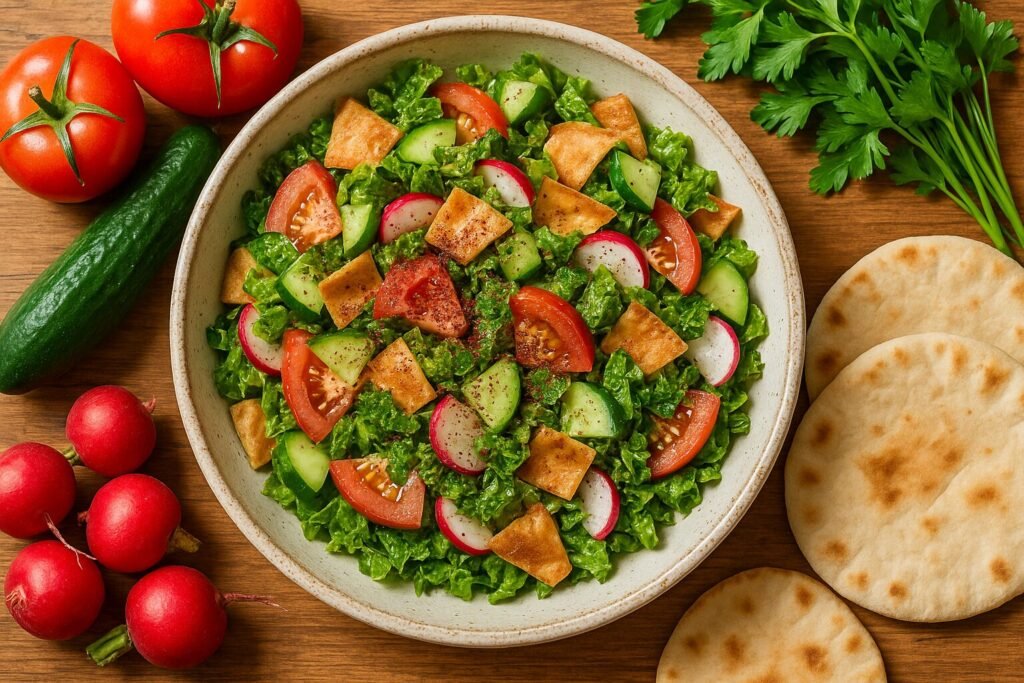
- Eggs: fried, poached or scrambled, with a dusting on top.
- Roasted vegetables: carrots, cauliflower and potatoes, straight out of the oven.
- Hummus, labneh and yogurt dips: a scatter of sumac and a drizzle of olive oil.
- Fattoush and green salads: in the dressing and on top.
- Grilled chicken and fish: over the top as they come off the heat.

Sumac also makes a good second half of a rub. Season meat with Baharat before it goes on the grill, then finish with sumac when it comes off. One builds the warmth; the other turns the lights on.
Does Sumac Go Bad? How Long It Actually Lasts
That jar of sumac at the back of the cupboard is almost certainly still safe. It’s just not doing much anymore.
Ground sumac doesn’t spoil the way fresh food does. Kept dry, it stays safe well past any date on the label.
What it loses is potency: the bright, lemony tang fades, and the deep burgundy dulls toward brick. Think of a photograph left on a sunny windowsill. Still there. Just washed out.
For ground sumac, the honest window is about two to three years, best inside the first year. Whole dried sumac berries last longer, because the flavour is locked in until you grind them.
The enemy isn’t time. It’s light, heat and moisture. A jar stored above the stove, warm, bright and steamy every time you cook, fades much faster than the same jar in a cool, dark drawer.
Moisture here means water from outside: steam, a wet spoon, a humid counter. The natural softness of a fresh, coarse grind is not the problem. Keep it sealed and dry, and it holds its tang.
Two quick checks before you cook with an old batch: colour and smell. If it still reads deep red-purple and gives a sharp, citrusy lift when you rub a pinch between your fingers, it’s good. If it looks grey-brown and smells of almost nothing, it won’t ruin the dish; it just won’t season it either.
Sumac FAQ
Is sumac spicy?
No. Sumac is tart and lemony with no chili heat, so it adds brightness rather than burn.
What does sumac look like?
Ground sumac is deep red to burgundy, from a fine powder to coarse, slightly soft flakes depending on the grind. It can pass for paprika in photos, but it is darker.
Can you eat sumac?
Yes. Culinary sumac (Rhus coriaria) is a common food spice; poison sumac is a different plant in a different genus and is not a food plant.
Does sumac expire?
Dried ground sumac does not expire like perishable food: kept dry, it stays safe and slowly loses flavour. Treat any printed date as a best-flavour date, not a safety cutoff.
How long does ground sumac last?
It is brightest in its first year and still usable for two to three years if kept sealed, dry and away from heat and light.
How can you tell if sumac has gone off?
Check colour and smell: fresh sumac is deep red-purple and smells sharply citrusy when rubbed between your fingers. If it looks grey-brown and smells faint, it is safe but has lost most of its tang.
Is sumac the same as za’atar?
No. Sumac is a single spice; za’atar is a blend of dried herbs, sesame and other ingredients that often includes sumac, and recipes vary by region.
Is sumac the same as Aleppo pepper?
No. Sumac is a tart berry with no heat; Aleppo pepper is a chili flake with moderate heat. Both are deep red, and they often share a plate.
Can I use sumac instead of lemon juice?
Yes, wherever you want lemon’s tang without the liquid: on salads, eggs, grilled meat and roasted vegetables.
What can I use instead of sumac?
Lemon zest is the closest swap for the tang, and a pinch of paprika gives the colour. Neither brings sumac’s dry, fruity sourness.
The Bottom Line
Sumac is a berry, not a blend, and it does a job few spices in the drawer can: sourness with no liquid and no heat.
Start with the easy wins: potato salad, sumac onions, a dusting over eggs. Keep it sealed, dry and away from the stove, and it will stay bright longer than you expect.
👉 Shop Edi Ground Sumac: coarse, with no salt or citric acid