
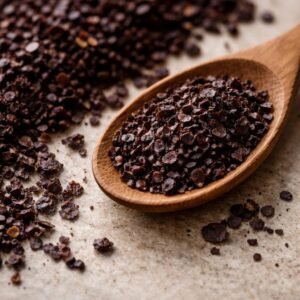
Let’s get one thing straight: Urfa pepper is not trying to impress anyone with its heat.
No eye-watering burn. No “challenge accepted” moment. No reaching for a glass of milk. Urfa pepper brings warmth the way a good fireplace does — steady, comfortable, and impossible to walk away from.
If you’ve been curious about whether Urfa pepper will set your mouth on fire, the short answer is no. The longer answer is much more interesting.
🌡️ So How Hot Is It, Exactly?
Urfa pepper sits between 7,000 and 10,000 Scoville Heat Units (SHU) — which puts it firmly in mild-to-medium territory.
Here’s how that stacks up against things you probably already know:
| Pepper / Spice | Scoville Range |
|---|---|
| Paprika | 100–1,000 SHU |
| poivre d'Alep | 5,000–10,000 SHU |
| Urfa pepper 🌶️ | 7,000–10,000 SHU |
| Jalapeño | 2,500–8,000 SHU |
| Crushed red pepper flakes | 30,000–50,000 SHU |
| Cayenne | 30,000–50,000 SHU |
See that gap between Urfa and crushed red pepper? That’s not a typo. Your standard pizza-topping chili flakes are three to five times hotter than Urfa pepper. If you’ve been holding back from trying Turkish chili because you assumed it would blow your head off — it won’t.
🔥 The “Slow Burn” — This Is the Part People Don’t Expect
Here’s where Urfa pepper gets genuinely interesting.
Most chili flakes behave like a light switch — heat on, heat off. You feel it immediately, it peaks, it fades. Done.
Urfa pepper is more like a dimmer switch. The warmth starts quiet, builds gradually, and then just… stays. Not painfully. Not aggressively. It settles in like it lives there.
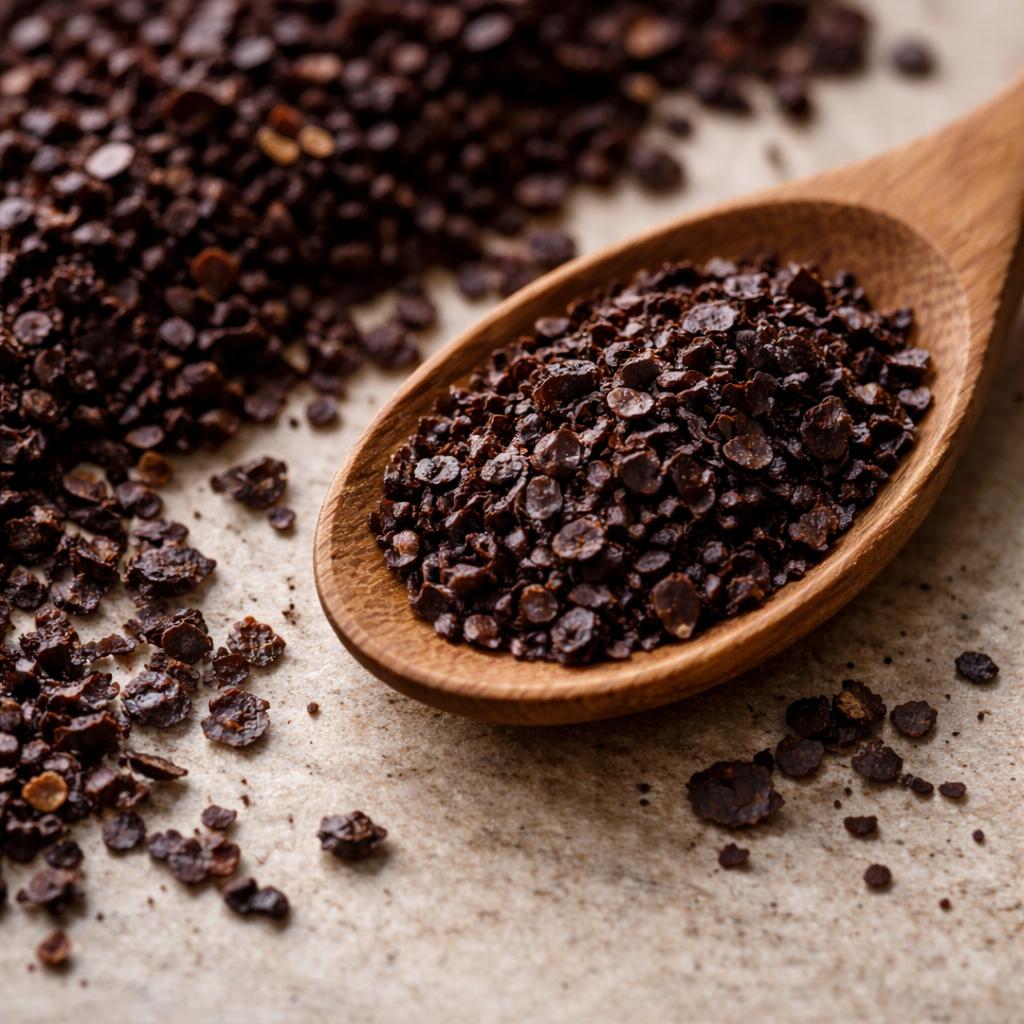
This is partly down to how Urfa pepper is made. The traditional sweating process — sun-dried during the day, wrapped overnight — breaks down the sharper capsaicin compounds while deepening the pepper’s natural oils and sugars. What you’re left with is heat that feels rounded and almost velvety rather than sharp or punchy.
Cooks who normally avoid chili because it overwhelms their dishes almost always love Urfa. It’s the chili for people who thought they didn’t like chili.
🆚 How Does It Compare?
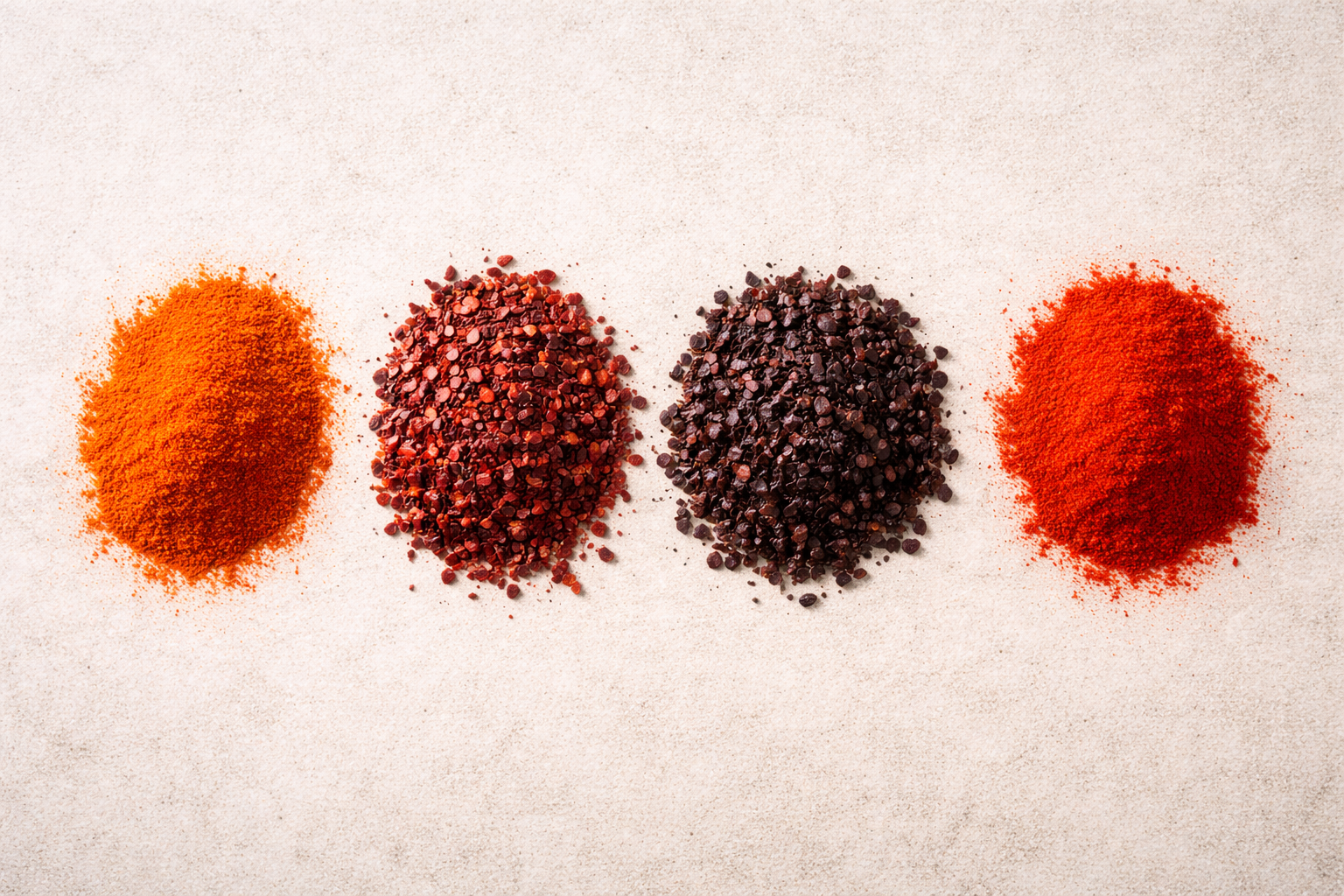
vs Crushed Red Pepper Flakes
Think of crushed red pepper as the aggressive older sibling. Sharp, immediate, no depth beyond the burn. Urfa is the sibling who actually has something to say — milder, slower, and infinitely more interesting.
vs Aleppo Pepper
These two get compared constantly, and they’re close — but not the same. Aleppo’s heat arrives faster and fades sooner. Urfa lingers. If Aleppo is a quick hello, Urfa is staying for dinner. For the full breakdown, read our Urfa Pepper vs Aleppo Pepper guide.
vs Cayenne
Not really a fair fight. Cayenne runs four times hotter with none of Urfa’s complexity. Swapping one for the other in a recipe will leave you either very disappointed or very surprised — depending on which direction you go.
🍽️ What Does the Mild Heat Actually Mean for Cooking?
It means you can be generous.
Unlike cayenne or crushed red pepper where a pinch too many ruins a dish, Urfa pepper gives you room to work. Use it as a cooking spice added early, and the heat softens further as it cooks. Use it as a finishing spice sprinkled on at the end, and it enhances without dominating.
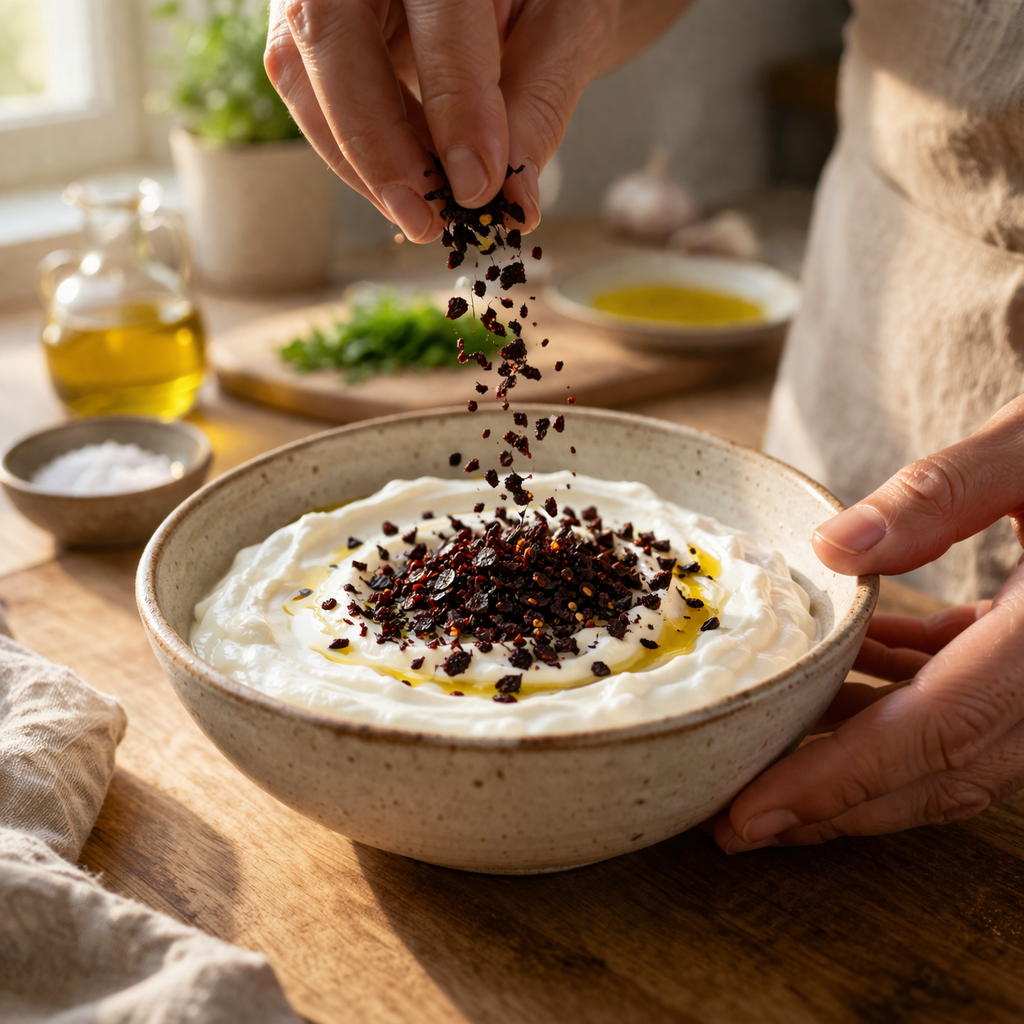
It’s equally at home on 🥣 yogurt, 🍳 scrambled eggs, 🥕 roasted vegetables, or a kebab straight off the grill. Start with ½ teaspoon, see how it feels, then stop holding back.
❓ Quick Answers
Is Urfa pepper too hot for people who don’t like spice?
Almost certainly not. The heat is mild, slow, and never sharp. It’s one of the most approachable chili flakes you can cook with.
Is it hotter than Aleppo pepper?
Slightly — 7,000–10,000 SHU vs Aleppo’s 5,000–10,000 SHU on average. But the bigger difference is how the heat feels, not how high it scores.
Does cooking make it milder?
Yes. Heat breaks down capsaicin over time, so slow-cooked dishes with Urfa will be even gentler than the raw flakes suggest.
Why is it smoky if it’s just a chili pepper?
The smokiness has nothing to do with the heat. The oils and sugars that develop during the sweating process create the flavor. The capsaicin creates the heat. Two separate things working in the same pepper — which is why Urfa can be mild and deeply complex at the same time.
 FR
FR  EN
EN